Three builds. One vision. Driver-focused machines built for people who understand that the best car is the one you can fix yourself.
Vedem Automotive is a 10-year project to build simple, analog, driver-focused cars that prioritize the human behind the wheel over the processor under the hood. Inspired by the great Italian sports cars of the 1950s through 70s — cars you could understand, maintain, and feel.
We remain privately held by design. No stakeholders. No compromises. Every decision made in the shop, not in a boardroom. Operating under the Low Volume Motor Vehicle Manufacturers Act, building up to 325 vehicles per year when the time comes.
Right now, it's three simultaneous builds, a YouTube channel, and a relentless commitment to documenting real fabrication work — not polished marketing. Follow the process. That's the point.
Development Vehicle · S2000 Platform
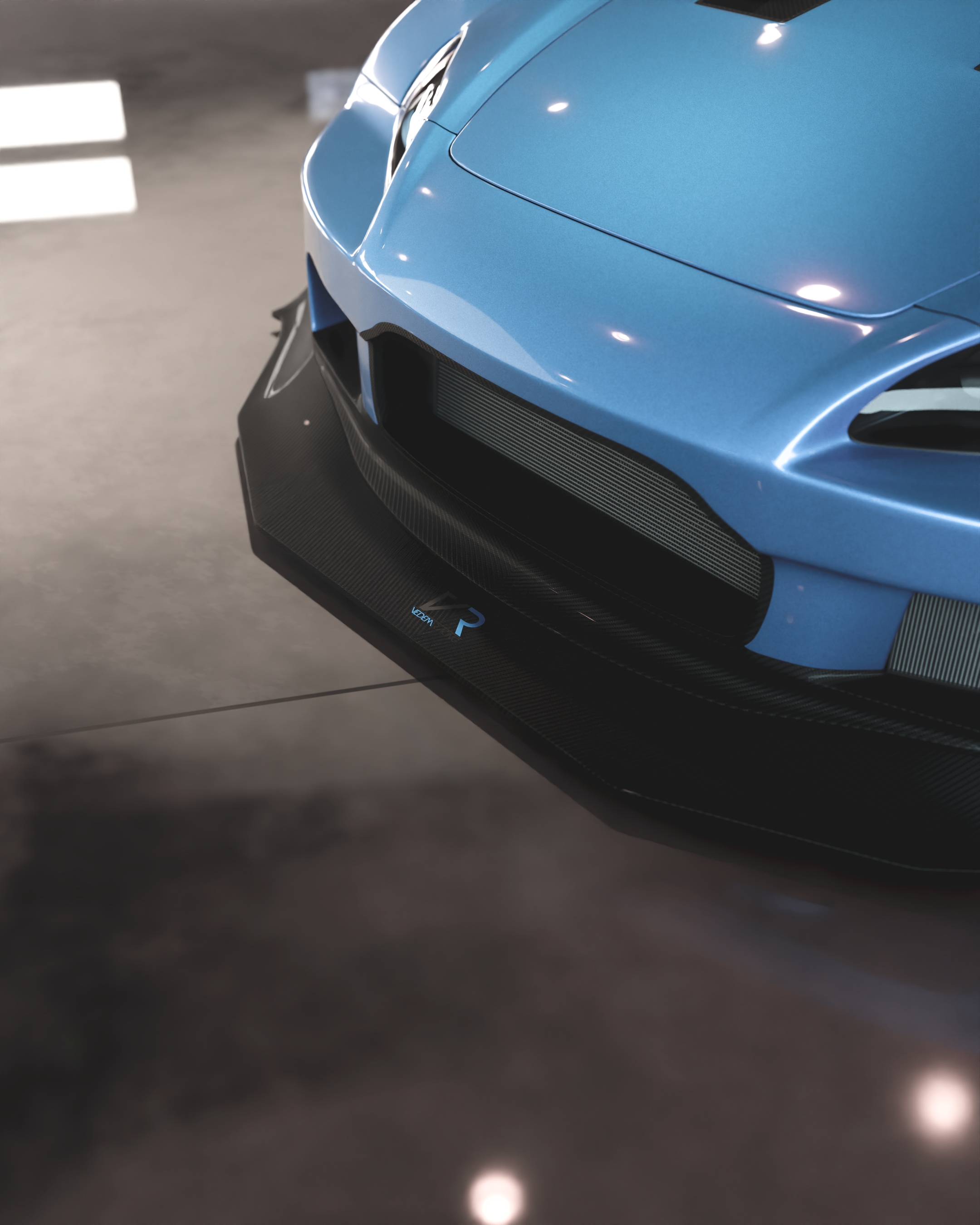
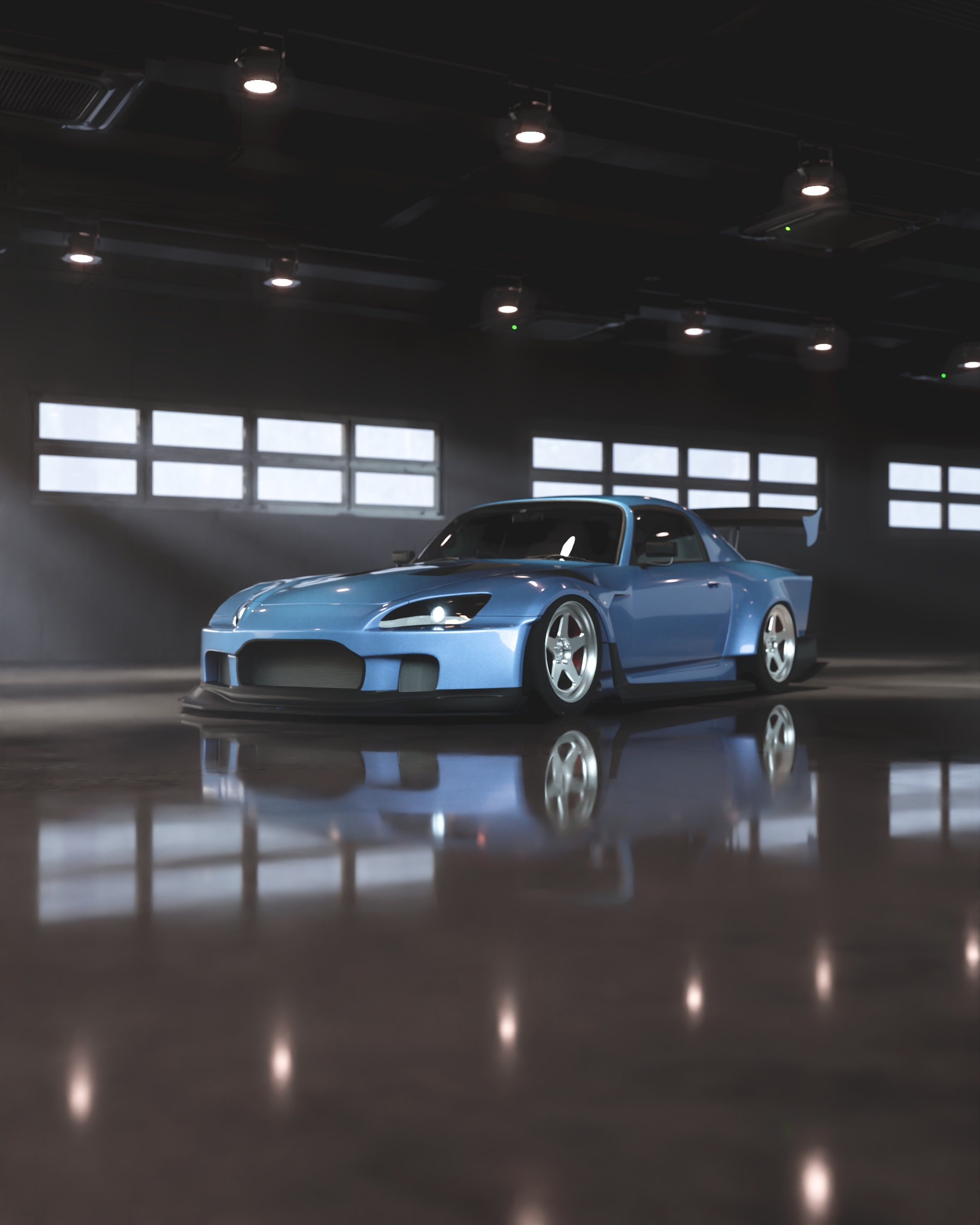
Honda S2000 chassis, Miata drivetrain, full 3D-printed gyroid composite bodywork. The development mule whose body design becomes the template for the first production Vedem car. Built for 24 Hours of Lemons racing.
First full-scale gyroid lattice panels are off the printer. Zone-specific infusion tests confirm partial infusion at crash-critical zones captures ~80% of the damage tolerance benefit at only 38% of the weight penalty versus full treatment. The failure mode transformation from catastrophic collapse to progressive degradation is the key safety advantage.
Zone recommendations: full IPC for nose and side impact structures, partial infusion for main structural panels, unfilled lattice for non-structural covers and aero surfaces.
The RF1 exterior language is finalized — long hood, short rear deck, fastback greenhouse referencing the Alfa Romeo T33 and contemporaries without copying them. Every surface break is designed around the manufacturing process, with standardized chassis tube interfaces so panels are interchangeable between the development car and future production examples.
Custom motor mount plates are welded in. Positioning the ND powertrain lower and further back than the original S2000 F20C placement to achieve a proper 50/50 weight distribution with driver factored in. The MX-5 gearbox is wider at the bell housing — transmission tunnel modification is the current blocking task.
The cage is fully welded and inspected. DOM tube throughout with gusset plates at all major node intersections. Every roof hoop and A-pillar bar has a corresponding body panel attach tab built into the cage itself — panels locate off cage geometry, no separate brackets required. This approach carries over directly to the production RF1.
Clean S2000 AP1 found locally — straight body, no rust in the rockers or floors. Full strip-out complete. Chassis sent out for sandblast and epoxy prime before cage work begins. This car is the foundation for the entire RF1 concept — what we learn from racing it directly informs the production vehicle.
1972 · Alfa Romeo · Vintage Race
A 1972 Alfa Romeo GTV 2000 built into a proper vintage race car. Turbocharged period-appropriate engine, full roll cage, and race suspension — keeping the soul while adding pace.
Custom stainless log manifold is tacked up. Small-frame turbocharger selected for spool response at vintage RPM ranges — target is boost building by 3,500 RPM. Wastegate sizing finalized, intercooler routing being planned around tight front-end clearances.
Main hoop, A-pillar bars, and harness crossbar are in. The GTV's thin monocoque required wide spreader plates at all cage feet. The visual intent: no excess triangulation visible through the glass — this should read as a period race preparation, not a modern conversion.
Italian rust in the expected places — both rockers and rear floor sections cut out and replaced with fabricated panels. Bertone body lines preserved everywhere visible. Car is in epoxy primer and awaiting cage completion before final bodywork and paint.
Solid 1972 GTV 2000 found with a tired engine but straight, rust-minimal body. Full disassembly complete — interior stripped, engine and gearbox out, suspension removed. The twin-cam Alfa engine will be rebuilt and turbocharged staying within class displacement rules.
2017 · Alfa Romeo Giulia · Drift Build
2017 Alfa Romeo Giulia converted into a purpose-built drift car. LV3 V6 swap, custom high-angle steering geometry fabricated from scratch — no kit exists for the Giorgio platform.
LV3 is on the engine stand and mock-up work is underway. The Giorgio platform's aluminum-intensive firewall complicates modification — structural members can't simply be cut out. Driver's side header has about 1.5" to the firewall at the tightest point; a custom tight-radius header section is required.
No aftermarket high-angle kit exists for the Giulia's Giorgio architecture. We're fabricating our own: extended outer tie rod ends with revised pickup points, modified lower control arm geometry to prevent bump steer. Full front suspension geometry mapped in CAD — Ackermann, scrub radius, and KPI all accounted for before any metal is cut.
Full strip-out complete. The Giorgio platform is more aluminum-intensive than expected — good for weight, more work for fabrication. Factory OEM electronics are deeply integrated and will require careful handling during conversion. The factory 2.9TT V6 sold immediately, funding the LV3 acquisition and first round of fab materials.
Every weld, every setback, every breakthrough — documented on the Vedem Racing YouTube channel. Raw shop footage and honest build updates. No polish, no filler.
Subscribe on YouTube
Vedem Racing is supported by companies and individuals who share our belief that cars should be analog, honest, and built to last. We're grateful for every partner who makes these builds possible.
Want to put your brand alongside some of the most interesting builds in the low-volume space? We offer authentic exposure to a growing community of enthusiasts, builders, and buyers. Let's talk.
Vedem Racing runs on Patreon support and YouTube revenue — no external investors, no compromised decisions. Every dollar from the community goes directly back into metal, tools, and documentation. Join the build.